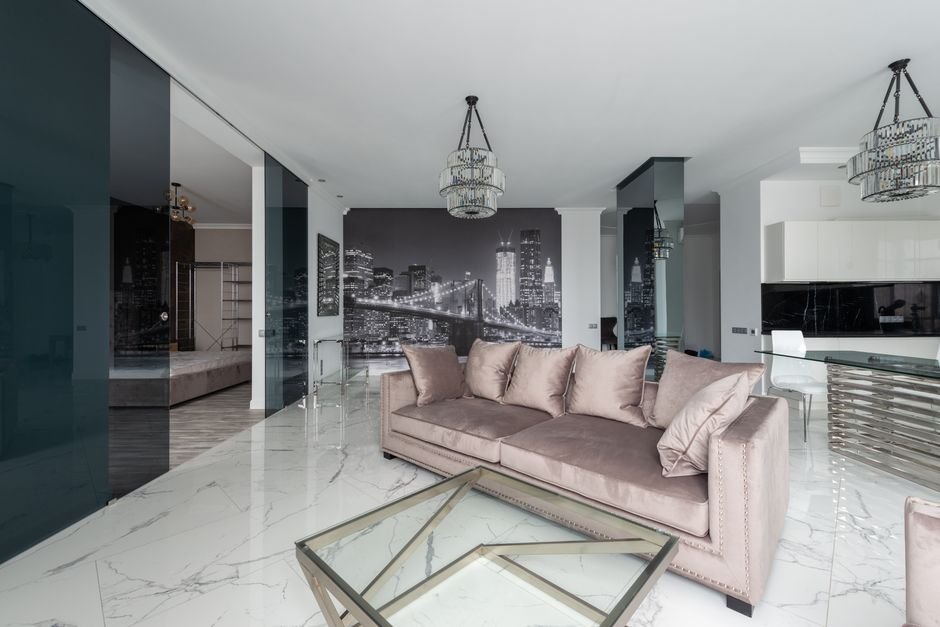
Smooth tile, marble and polished stone floors, common throughout Indian homes, look good but can be genuinely risky underfoot, particularly when wet. Fortunately, reducing that risk doesn’t usually require replacing the floor itself.
Anti-Slip Treatments
Chemical anti-slip treatments can be applied to existing tile or stone to increase grip without changing its appearance, and are worth considering for high-traffic, frequently wet areas like bathroom approaches and kitchen floors.
Strategic Mat Placement
Non-slip mats at doorways, in front of sinks, and anywhere water regularly ends up on the floor catch a lot of risk at a fraction of the cost of a flooring change. The mats themselves need a grippy backing — a mat that slides is its own hazard.
Manage Water Promptly
Spills, mopping water, and rain tracked in from outside should be wiped up promptly rather than left to dry on their own, especially along main walking paths. A simple household habit of keeping a cloth or mop handy near likely spill zones helps this happen consistently.
Footwear Matters as Much as Flooring
Walking barefoot or in socks on tile significantly increases slip risk compared to well-fitted, non-slip-soled footwear. Loose slippers that can slide off mid-step are also worth reconsidering in favour of a snugger, grippier option.
Rugs and Mats Elsewhere in the Home
Decorative rugs without a non-slip backing can bunch up or slide on smooth flooring. Either securing them with anti-slip tape or underlay, or removing them from main walking paths entirely, removes a hazard that’s easy to overlook because it doesn’t look dangerous.
Helpful Products on Amazon
Amazon Basics Diatomite Stone Anti-Slip Bath Mat
Approx. ₹1,099 (price as of writing — check Amazon for current price)
View on Amazon →As an Amazon Associate, we earn from qualifying purchases. See our affiliate disclosure.
Cleaning Without Creating Hazards
- Mop in sections and keep your parent out of the area until the floor is fully dry.
- Avoid wax-based polishes and heavy phenyl use on marble or tile, which can leave a slippery film.
- Use a dry mop or cloth to finish, especially in the morning when floors are often cleaned before the family is up.
- Choose cleaning times when your parent is resting or seated elsewhere.
Room-by-Room Priorities
- Bathroom: anti-slip mats inside and outside the bathing area, and an anti-slip coating if needed
- Kitchen: a non-slip mat at the sink and prompt wiping of oil spills
- Entrance and balcony: rubber-backed doormats and extra care during the monsoon
- Puja room and staircases: marble and granite surfaces here are often especially smooth
Footwear Guide
Indoor footwear should fit snugly, have a thin, non-slip rubber sole and a back strap or closed heel. Soft rubber house slippers with good grip are usually safer than walking barefoot or in socks on polished floors. See also our anti-slip bathroom mats guide.
Related Guides
- Best Types of Anti-Slip Mats for Elderly Bathrooms
- Anti-Slip Bathroom Mats: Buying Guide
- How to Prevent Falls at Home for Elderly Parents
Related guides
Frequently Asked Questions
Do anti-slip floor treatments change how the floor looks?
Most modern treatments are designed to be invisible or near-invisible, affecting grip without a noticeable change in appearance.
Is it worth replacing tile with a different material?
For most homes, treatments, mats and better habits address most of the risk at a much lower cost than replacing flooring, which is worth reserving for cases where those aren’t enough.
See our common fall hazards in Indian homes for other risks worth checking at the same time.