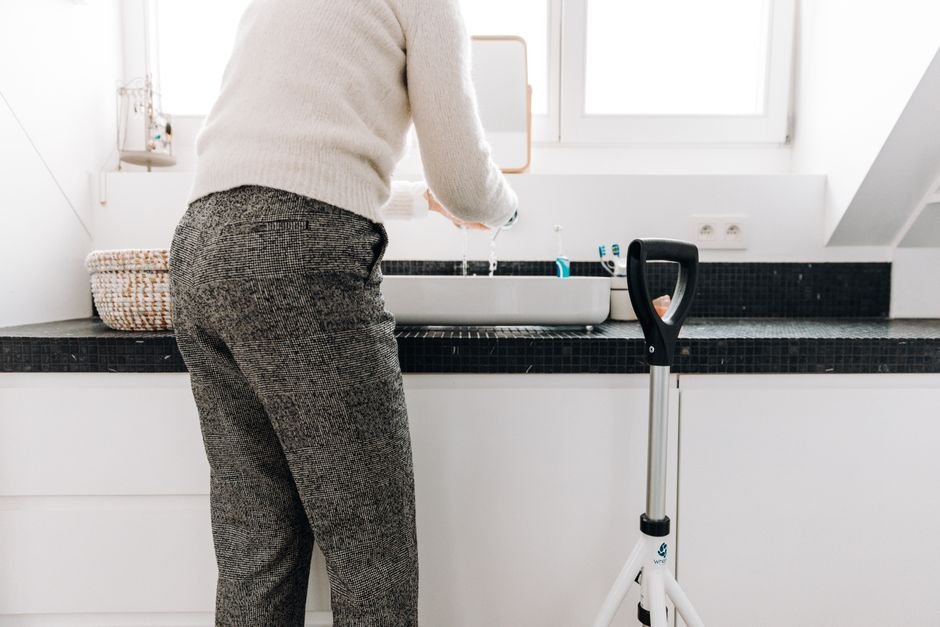
The bathroom is the single most dangerous room in an Indian home for an older adult. Wet, tiled floors, a step up into the shower area, and fixtures that were never designed with ageing bodies in mind combine to make it the most common place for a fall. The good news is that most of the risk can be reduced with a handful of practical, inexpensive changes — you don’t need to renovate the whole bathroom to make it dramatically safer.
This guide walks through why bathrooms are so risky for seniors, the changes that make the biggest difference, and a few considerations specific to Indian homes.
Why Bathrooms Are a Fall Risk for Older Adults
A few things make bathrooms especially hazardous as people age. Floors are frequently wet, and tile becomes slippery very quickly once soap or water is on it. Many older adults also have reduced balance, weaker grip strength, and slower reflexes, which makes it harder to catch themselves if they start to slip. Add a change in floor level at the shower threshold, low lighting, and the physical effort of bending or lowering onto a toilet or into a bath, and it’s easy to see why falls cluster in this one room.
None of this means a bathroom has to stay risky. Most of these hazards can be addressed directly.
Start With a Simple Bathroom Safety Walkthrough
Before buying anything, it helps to walk through the bathroom the way an older family member actually uses it, ideally with them present. Notice where they reach for support, where the floor is wettest, how they get in and out of the shower or up from the toilet, and whether they can see clearly, especially at night. This short walkthrough usually makes it obvious which one or two changes will help the most.
Key Changes That Make the Biggest Difference
Grab Bars
A properly installed grab bar near the toilet and inside the shower or bathing area gives something solid to hold onto exactly when it’s needed — standing up, sitting down, or steadying while stepping over a threshold. A grab bar is only as safe as its installation: it needs to be anchored into a wall stud or with proper wall anchors rated for body weight, not just stuck on with adhesive. We cover placement in more detail in our grab bar buying guide.
Anti-Slip Flooring and Mats
A textured anti-slip mat inside the shower and a separate one just outside it can meaningfully cut down on slipping, especially in the first few seconds after stepping out wet. For a more permanent fix, anti-slip treatments or textured tiles can be applied to existing flooring without a full retile.
Shower Seating
Standing for an entire shower can be tiring and increases fall risk, particularly for anyone with balance issues or who tires easily. A stable shower chair or bench lets someone bathe seated, safely, with less strain.
Raised Toilet Seats
Standard toilet heights can be genuinely difficult for someone with hip or knee problems to get up from safely. A raised toilet seat, sometimes combined with armrests, reduces how far someone needs to lower themselves and gives more leverage to stand back up.
Lighting and Visibility
Many Indian bathrooms are dim, especially older ones without a window. Brighter lighting, plus a small night light for after-dark trips, helps an older person see the floor, the step, and the fixtures clearly — a simple change that’s easy to overlook.
Bathroom Safety Tips for Indian Homes
A few things are specific to how bathrooms are typically built and used in India:
- Bucket bathing: If a family member bathes using a bucket and mug rather than standing under a shower, a stable stool at the right height plus a nearby grab bar can reduce the amount of bending and crouching involved.
- Indian-style (squat) toilets: These are considerably harder on the knees and balance than a Western-style seated toilet. Where possible, switching to a seated toilet, or using a portable raised commode, is one of the highest-impact changes for an elderly family member.
- Monsoon season: Humidity and tracked-in rainwater make floors more slippery for weeks at a stretch. It’s worth checking mats and flooring specifically before and during monsoon.
- Shared/multigenerational bathrooms: When a bathroom is used by the whole family, safety features like grab bars and non-slip mats benefit everyone and are worth treating as permanent fixtures, not “elderly-only” additions.
A Quick Bathroom Safety Checklist
- Grab bar installed near the toilet, anchored securely
- Grab bar installed inside the shower/bathing area
- Anti-slip mat inside the shower or bathing area
- Anti-slip mat just outside the shower, on the drying-off spot
- Shower chair or stool available if standing is tiring
- Raised toilet seat if standing up is difficult
- Bright lighting, plus a night light for after-dark use
- Loose bath mats or rugs removed or secured so they can’t slide
- Frequently used items (soap, towel, mug) within easy reach without stretching
When to Involve a Professional
For a family member with a specific mobility condition, a recent fall, surgery, or a progressive condition affecting balance, it’s worth getting an occupational therapist or physiotherapist to assess the bathroom in person. They can recommend equipment and placement suited to that individual’s exact needs, which a general guide like this one can’t fully account for.
Helpful Products on Amazon
AGEasy Flip-Up Grab Bar with Anti-Slip Grip (17 inch)
Approx. ₹2,799 (price as of writing — check Amazon for current price)
View on Amazon →Amazon Basics Diatomite Stone Anti-Slip Bath Mat
Approx. ₹1,099 (price as of writing — check Amazon for current price)
View on Amazon →KosmoCare Premium Height-Adjustable Shower Bench
Approx. ₹3,739 (price as of writing — check Amazon for current price)
View on Amazon →As an Amazon Associate, we earn from qualifying purchases. See our affiliate disclosure.
Frequently Asked Questions
Do grab bars need to be professionally installed?
They don’t have to be installed by a contractor, but they do need to go into a wall stud or use anchors rated for the wall type and expected weight. A poorly secured grab bar can fail exactly when it’s relied on, so it’s worth getting the installation right, even if you do it yourself.
Are suction-cup grab bars safe?
Suction-cup bars can lose their grip over time or on uneven tile, so they’re generally better treated as a temporary or travel option rather than a primary support in a home bathroom.
What’s the single most useful first change?
If you can only make one change, a securely anchored grab bar near the toilet tends to help with the everyday movements — sitting down and standing up — that come up most often.
Making a bathroom safer doesn’t require an overhaul. Starting with a grab bar, a non-slip surface, and better lighting addresses the majority of the risk, and each of those can be added on its own as time and budget allow.