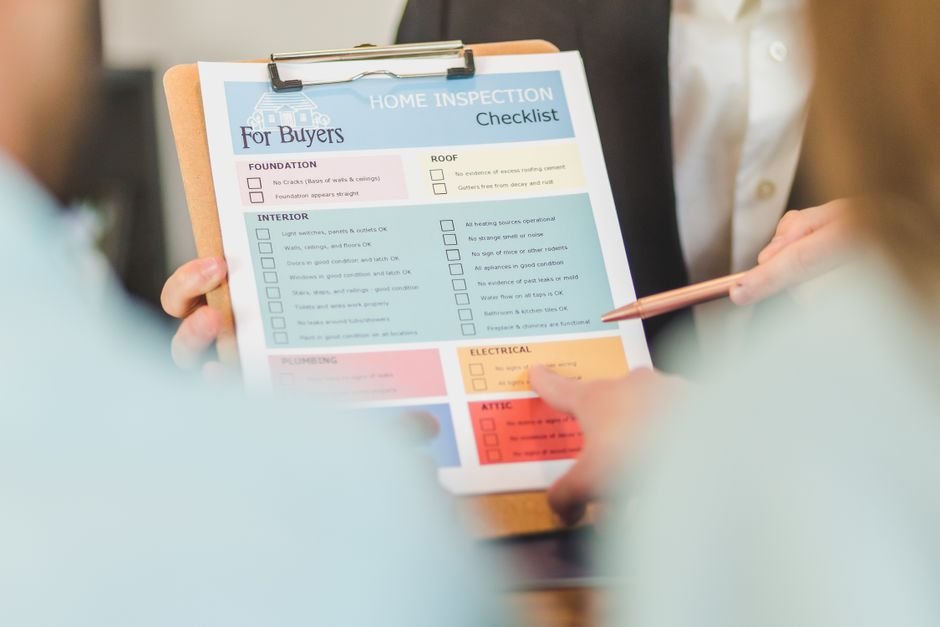
This checklist pulls together the key changes across the whole home, room by room, as a starting point for a walkthrough with an elderly parent.
Entrance
- Steps at the entrance have a secure handrail
- Entrance is well-lit, including after dark
- Doorway is wide enough for a walker or wheelchair if needed
Living Areas
- Clear, uncluttered walking paths
- Furniture at a height that’s easy to rise from
- Loose rugs secured or removed from main paths
- Cables and cords routed away from walkways
Bathroom
- Grab bars near the toilet and in the shower/bathing area
- Anti-slip mats in the shower and just outside it
- Raised toilet seat if needed
- Bright lighting plus a night light
Bedroom
- Bed at a comfortable height for sitting and standing
- Clear path from bed to door and bathroom
- Light reachable from bed without getting up
Kitchen
- Frequently used items stored within easy reach
- Non-slip mats near the sink and stove
- Lightweight cookware and easy-grip utensils available
Stairs (If Present)
- Handrails on both sides, full length
- Bright, even lighting with switches at top and bottom
- Step edges clearly marked
- Stairs kept clear of stored items
General
- Emergency contacts and a way to call for help are easily accessible
- Home walkthrough repeated periodically, especially after any fall or health change
For detail on any section, see our guides on bathroom safety, bedroom safety, and stair safety.
Helpful Products on Amazon
AGEasy Flip-Up Grab Bar with Anti-Slip Grip (17 inch)
Approx. ₹2,799 (price as of writing — check Amazon for current price)
View on Amazon →Amazon Basics Diatomite Stone Anti-Slip Bath Mat
Approx. ₹1,099 (price as of writing — check Amazon for current price)
View on Amazon →One94Store Rechargeable Motion-Sensor Night Light (Pack of 2)
Approx. ₹576 (price as of writing — check Amazon for current price)
View on Amazon →As an Amazon Associate, we earn from qualifying purchases. See our affiliate disclosure.
How to Use This Checklist
- Walk through the home with your parent, at the times of day they actually move around, including evening and night.
- Watch how they do everyday tasks, such as getting out of a chair, stepping into the bathroom or reaching the kitchen shelf, and note where they hesitate or hold on to furniture.
- Tick off what is already in place and list what needs fixing, starting with the bathroom and the bed-to-bathroom path, where many falls happen.
- Fix the quick, low-cost items first: lighting, clutter, loose rugs and mats.
- Repeat the walkthrough every few months, and always after a fall, illness or hospital stay.
Emergency Preparedness
- A list of emergency numbers, including the doctor, family, neighbours and 112, kept near the phone and in large print
- A current list of medicines and medical conditions kept in an easy-to-find place for doctors and ambulance staff
- A torch or emergency light within reach of the bed in case of power cuts
- A spare house key with a trusted neighbour or relative
When to Get Professional Advice
If your parent has had falls, is recovering from surgery, or has conditions affecting balance, memory or vision, an occupational therapist or physiotherapist can do a home assessment. They can suggest specific changes that a general checklist may miss.